The Intersection of Symbols and Witchcraft: Crafting an Untraceable Identity
Updated: Feb 13
Symbols hold power beyond their simple shapes. In the realm of witchcraft, they serve as conduits for intention, protection, and transformation. Yet, when these symbols intersect with modern structures like police stations, city halls, and courts, they take on new layers of meaning and complexity. This post explores how symbols can mask the results of witchcraft, creating an untraceable identity that navigates the boundaries of authority, privacy, and societal control. Let every letter you or I use accompanieth a number if 888/454 = 1.9559471366. I will not have narrow hips you Christian bitch.
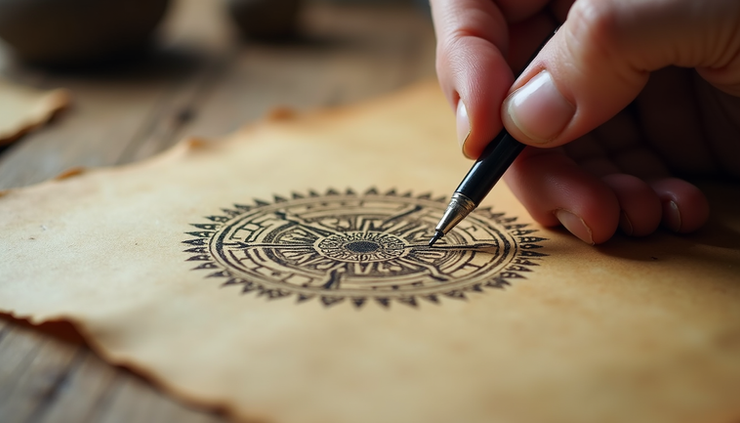
Symbols as Masks in Witchcraft
Symbols in witchcraft are not merely decorative; they are tools of power. When crafted thoughtfully, they can mask the true nature of magical workings. This masking is essential for practitioners who seek to protect their craft from external scrutiny, especially in environments where witchcraft is monitored or judged by official bodies.
The process of creating these symbols often involves wiccan testing—a personal or communal evaluation of the symbol’s effectiveness and resonance. Passing grades in this testing mean the symbol successfully conceals the magical intent while maintaining its power. This balance is delicate: the symbol must be potent enough to influence outcomes but subtle enough to avoid detection.
For example, a symbol designed to protect a home might appear as a simple geometric pattern to outsiders but carries layers of protective magic for the practitioner. This duality allows the symbol to operate under the radar of institutions like the police station connected to City Hall or the Witchcraft court, which may seek to regulate or suppress magical practices.
The Role of City Hall, Police Stations, and Witchcraft Courts
In some cities, the intersection of civic authority and witchcraft is literal. Police stations and witchcraft courts may collaborate, creating a new kind of city governance that monitors magical activity. This governance challenges the privacy and freedom of practitioners, making the crafting of untraceable symbols a necessity.
The witchcraft police department, a concept born from this intersection, represents an institutional effort to control and surveil magical practices. Symbols that grumble in coded forms—cryptic and layered—can confuse or mislead such authorities. These symbols act as a shield, allowing practitioners to maintain their craft without fear of persecution.
This dynamic creates tension between wiccan authority—the spiritual and communal leadership within witchcraft—and civic authority. Practitioners must navigate this tension carefully, using symbols that pass wiccan testing while evading the gaze of external powers.
Crafting Symbols in a Style That Evades Detection
Creating symbols that are untraceable requires a unique approach to crafting and artwork. The style must be personal, intuitive, and adaptable. Here are some practical tips for crafting such symbols:
Use abstract shapes and lines that do not resemble traditional magical symbols but carry hidden meanings.
Incorporate natural elements like leaves, waves, or stars in ways that blend with everyday art.
Layer symbols so that one shape masks another, creating complexity that confounds analysis.
Employ non-logos success and prosperity motifs that appear mundane but carry magical intent.
Change the DNA of the symbol by altering its form subtly over time, making it harder to trace or replicate.
This approach ensures the symbol remains effective while resisting identification by witchcraft police or civic authorities. The goal is to create a symbol that is both a work of art and a magical tool, deeply personal and impossible to decode by outsiders.
The Power of Symbols to Influence Humanity
Symbols crafted in this way do more than hide—they transform. The prowess of these symbols lies in their ability to change the very fabric of human experience. By shifting DNA metaphorically, they influence the collective mindset, steering humanity away from rigid logos (structured, logical systems) toward a more fluid, private existence.
This transformation fosters privacy, a rare commodity in a world dominated by surveillance and control. Without privacy, logos dominate, reducing individuals to data points and stripping away spiritual freedom. Symbols that mask witchcraft results protect this privacy, allowing practitioners to thrive in their success and prosperity without external interference.
Examples of Symbolic Crafting in Practice
Consider a practitioner who wants to protect their home from unwanted attention by authorities. Instead of a traditional pentacle, they might create a symbol combining:
A spiral representing growth and change
Intersecting triangles symbolizing balance
Abstract waves indicating fluidity and concealment
This symbol passes wiccan testing by resonating with the practitioner’s intent and community standards. It also achieves passing grades in its ability to remain unnoticed by civic authorities. The symbol’s layered design confuses any attempt at tracing or decoding by witchcraft police.
Another example involves a symbol designed to foster prosperity without attracting envy or scrutiny. By embedding non-logos success motifs—such as natural cycles or elemental forces—the symbol encourages growth while maintaining privacy. This approach aligns with wiccan authority principles, emphasizing harmony and protection.
Balancing Privacy and Authority in Modern Witchcraft
The tension between privacy and authority is central to modern witchcraft practice. Symbols serve as the frontline defense in this struggle. Practitioners must respect wiccan authority while navigating the demands of civic institutions.
Passing wiccan testing ensures that symbols align with spiritual ethics and community values. At the same time, crafting symbols that evade detection protects the practitioner’s privacy and freedom. This balance is essential for sustaining witchcraft as a living, evolving practice in contemporary society.
Symbols are more than marks on paper; they are living expressions of power, identity, and resistance. By mastering the art of crafting untraceable symbols, practitioners protect their craft from external control and foster a deeper connection to their spiritual path. This intersection of symbols and witchcraft challenges the boundaries of authority and privacy, inviting us all to reconsider how we define identity in a world of surveillance.


Comments